My take on paint!

This week at @sawcomics they’re talking about paint. Last week they talked about “how to know when you’re an artist,” about which I might have had deeper insights (TLDR: whenever you say so), but I ran out of time to gather images to accompany that post so I didn’t put it on substack (yet?) because it’s better with pictures.
This week I make two arguably small points about painting and comics, but it’s illustrated, so here you go.
My take on paint!
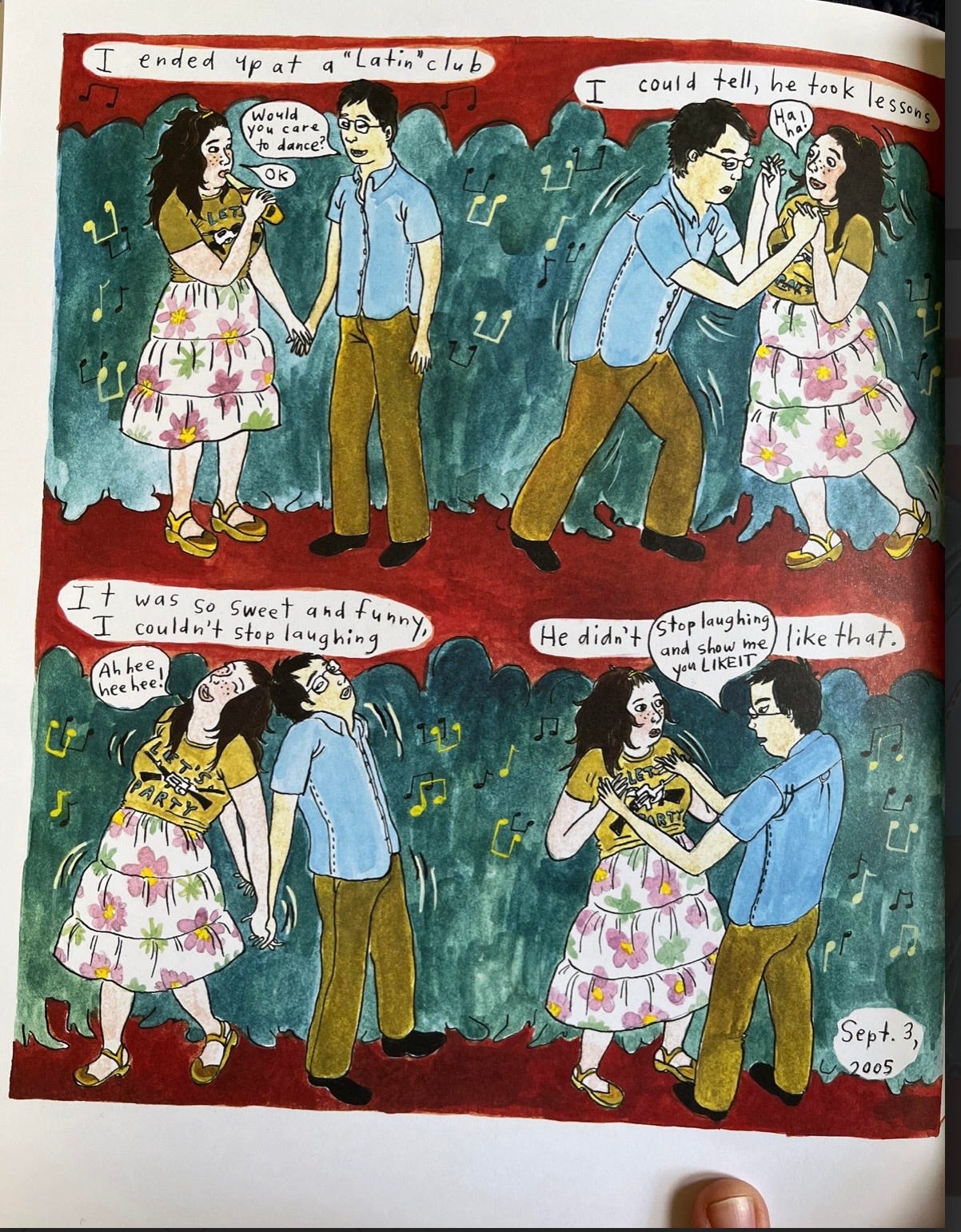
I came to painting comics very much how I came to a lot of my comics techniques--not knowing another way. After publishing exclusively black-and-white comics, and grayscale, to various levels of printing success, I had an opportunity to have a comic in color printed and I had no idea how people did that. Most comics had nice, bright, flat colors but I had no computer, etc., and I had a feeling one needed one to do that kind of coloring. But I did have some watercolors.
It turns out, watercolors are very beautiful and a great way to color comics, though they present their own challenges. Many people like inking on Bristol board, but it's very slick (good for ink) and bad for watercolors. Using watercolor paper is the obvious answer, but the dimples on cold press paper make reproduction a little tricky, and even if one uses smoother hot press, the paper necessarily getting wet from the paint will make for some bumps and shadows in the scanner. To get rid of the shadows and maintain the quality of the color can be challenging, and I have printed/reproduced stuff at varying levels of success, across the spectrum of terrible to okay.
Maybe a million years ago, Tom had me visit his SVA class and do a watercolor demo. There was a video but I just spent 20 minutes looking for it and I don't know if it's the enshittification of Google or just my own googling skills but I couldn't find it. In any case, SOMEONE watched it shortly after it went up and wrote me specifically to point out that I used titanium white in some skin tones, and how in watercoloring you're not supposed to do that.

I didn't know that! You know, they didn't teach watercolor techniques at art school. It was interesting--of course we all know you can paint however you want, but it hadn't even occurred to me that there were specific watercolor techniques I could have been drawing from to make my paintings clearer or brighter or more effective.
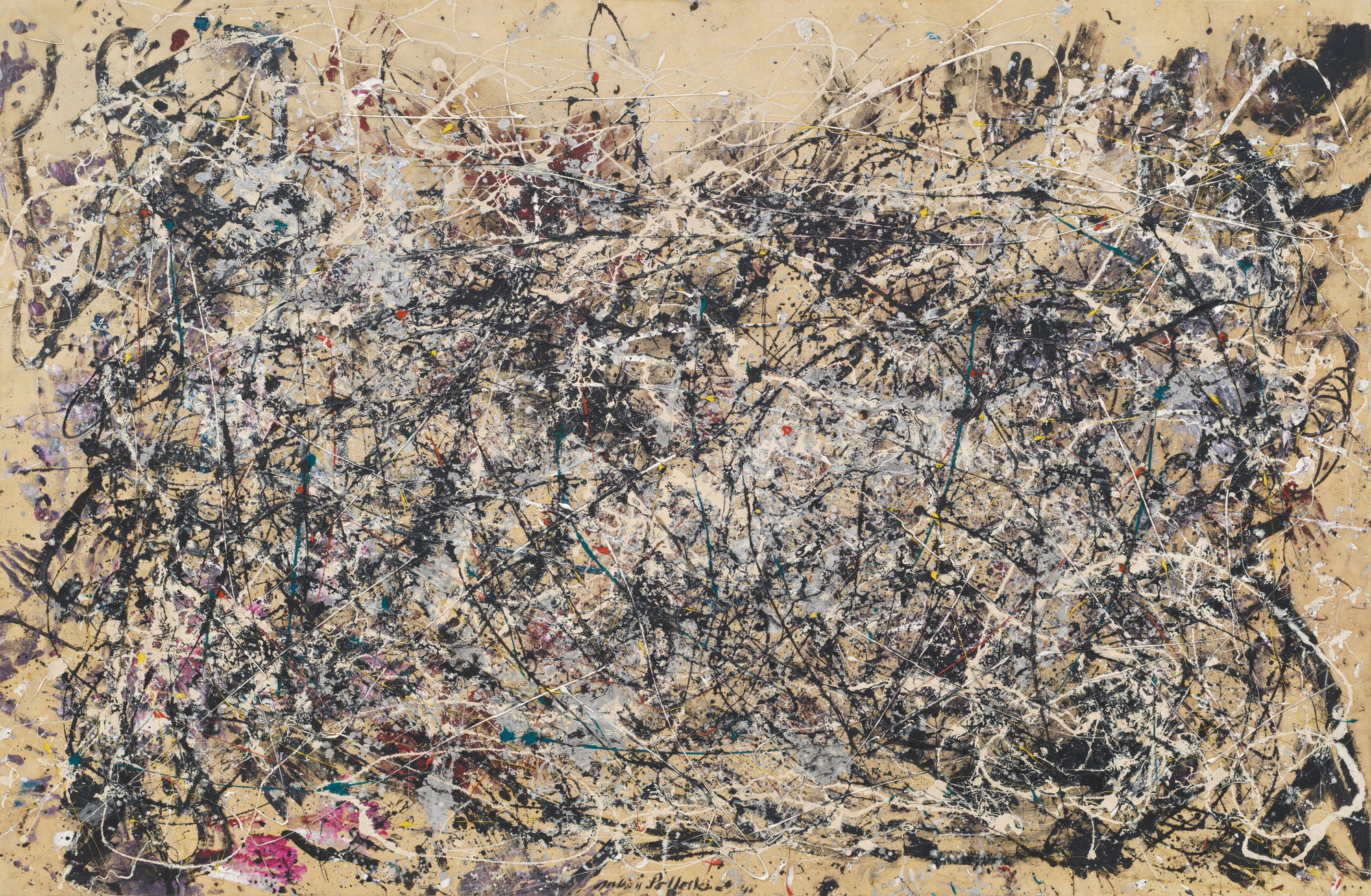
Then one other thing, and I will bring these two things to a point. The other thing is I DID study acrylic and oil painting and I learned a lot of techniques with those, and I was unthinkingly applying them as I was watercoloring comics. One frequent criticism I incurred in art school was that I wasn't "layering" enough with my paintings. That with paint you really get into it and beyond just creating fields of color, you also sort of see the paint as 3D stuff and are sort of sculpting and painting at the same time.

College-ass art
OK so this was what dawned on me: As a painter I was COLORING and in my comics I was PAINTING. Coloring is different than painting! You just get that stuff colored. Applying a painter's touch to comics can surely be beautiful, but forgetting this distinction would sometimes lead me into the weeds.

Or out to pasture, as it were!
So that's one thought on paint. Well, this might sound depressing but once I realized this, AND had some deadlines to meet, I figured out how to streamline my process into assembly line style. I'd paint blacks and grays first (maybe sidewalks, parts of the image that didn't need to be highlighted, walls, skies, etc.). Then browns, greens and blues (plants, walls, sidewalks, skies). I then would try to assign colors to the remaining items (clothes, props of interest) within a certain palette, so as not to have things go haywire, which happens easily for me. And then skin tones and hair. I DID stop using titanium white in skin tones. I usually just end up using whatever sort of nondescript color that's mixed itself in the palette! That's often more accurate. Muddy buddies!

Coloring!

I love the salmon and butter painting!
I painted all my watercolor comics on Bristol board. Strathmore 300 Bristol Vellum, to be exact. It takes the paint beautifully, gives great bloom, and isn't slick at all. It has a nice subtle tooth. I found that even hot pressed watercolor paper didn't allow me a precise enough line, and my linework needed to be extremely precise; I was using a 00 brush to make it.
What kind of paper is your fave for painted comics? The textured thing is such an issue!